How to Get Calcium on a Vegan Diet
In this guide8
- 01How much calcium you actually need
- 02Fortified plant milks are the easy win (if you shake them)
- 03Calcium-set tofu: read the label, not the marketing
- 04The low-oxalate greens that actually deliver
- 05Tahini, almonds, and the quiet contributors
- 06Absorption, vitamin D, and a note on timing
- 07A real calcium-smart day of eating
- 08When to think harder, and the honest bottom line
The thing that finally made calcium click for me was a carton of plant milk and a stubborn layer of grit at the bottom of the glass. I had switched to an oat milk that proudly advertised calcium on the front, felt smug about it, and poured a glass straight from a carton that had sat in the fridge door for a week.
"Non-vegans get most of their calcium from dairy foods (milk, cheese and yoghurt), but vegans can get it from other foods."
Source: NHS
Most of the calcium I was congratulating myself for was still in the carton, settled into a pale sludge at the bottom, because I never shook it. I had been drinking fortified water and crediting it with fortified milk.
That small, embarrassing discovery taught me that vegan calcium is genuinely easy once you understand two things: where it actually lives, and how much of it your body absorbs.
So this is the guide I wish I had then. Not a worried lecture about brittle bones, because a well-built vegan diet handles calcium fine, but a clear walk through the real sources, the real milligram numbers, and the small habits that decide whether the calcium ends up in you or in the bin.
How much calcium you actually need
Let me put the numbers down first, because the target is not some special vegan figure. It is the same number everyone is aiming for.
In the UK, the standard recommendation for most adults is around 700 milligrams of calcium a day, and you can read the plain-language version on the NHS calcium page. In the US, the guidance is higher, about 1,000 milligrams for most adults and 1,200 milligrams for women over 50 and men over 70.
Different bodies, slightly different numbers, same general ballpark.
The important point, and the one people get wrong by pattern-matching from iron, is that cutting out dairy does not raise your calcium requirement. Unlike iron, where vegans are often told to aim higher because plant iron absorbs less efficiently, the calcium target is identical whether or not you drink milk.
Your body does not care that the calcium arrived via fortified soy milk instead of a cow. The only thing that changes is the menu, so the whole job here is sourcing, not hitting a taller bar.
The honest framing is this: calcium is a nutrient where the absorbed amount matters as much as the headline amount. A food can list an impressive number and still hand you very little, depending on what else it contains.
That thread runs through everything below, and it is why a cup of kale can quietly beat a cup of spinach despite what the labels suggest.
Fortified plant milks are the easy win (if you shake them)
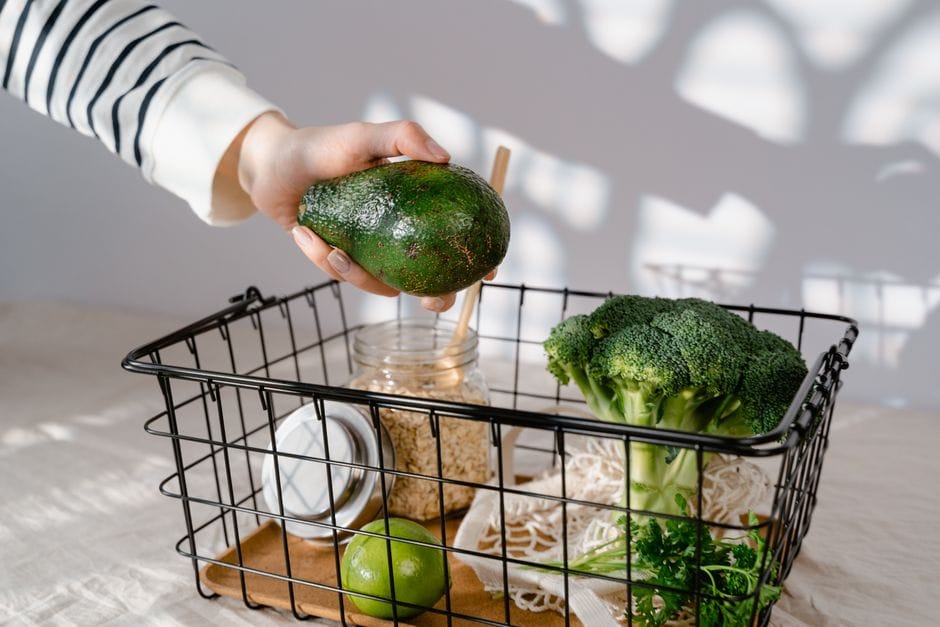 Photo: Tima Miroshnichenko / Pexels
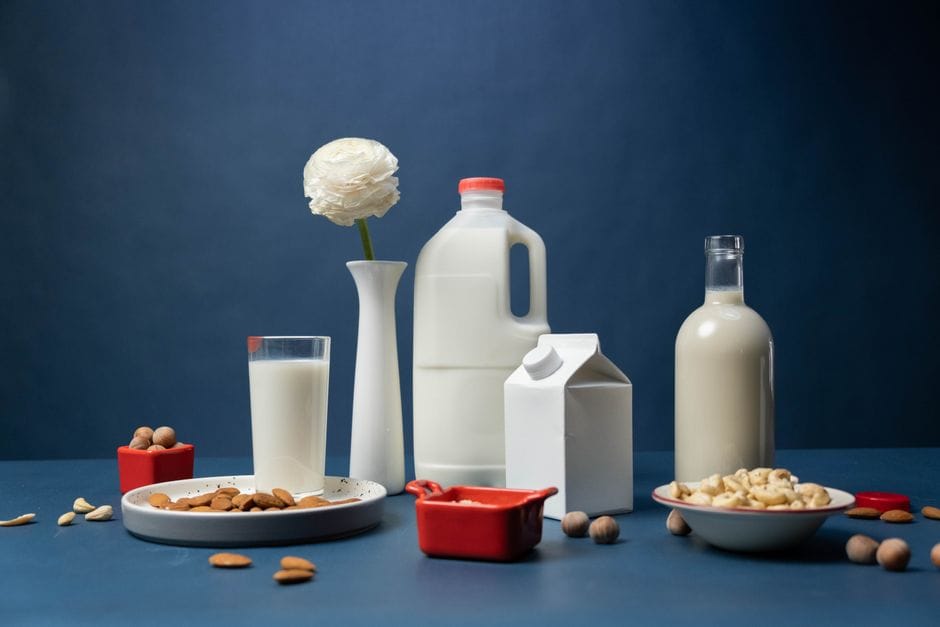
If you want the single highest-leverage habit, it is a glass of fortified plant milk. Most fortified plant milks, including widely sold soy, oat, and almond options, are fortified to roughly 120 milligrams of calcium per 100 millilitres, which works out to around 300 milligrams in a standard cup.
Two glasses across a day, and you have covered a large chunk of your target before you have thought about food at all. Soy milk is my default because it brings protein along too, and our oat milk guide and cashew milk guide walk through the others.
Here is the part nobody tells you, and the part that tripped me up. The calcium added to plant milk is usually calcium carbonate, which is heavier than the liquid it floats in, so it sinks.
Sitting in the fridge door for a few days, it quietly migrates to the bottom of the carton, and if you pour without shaking, you pour fortified water off the top and leave the calcium behind as grit. Shake the carton hard every single time, the way you would a salad dressing.
It sounds trivial and it is the difference between getting the 300 milligrams on the label and getting a fraction of it.
The other trap is fortification itself, because not every plant milk has it. This is the single most useful label-reading tip here: many organic plant milks are deliberately unfortified, because some organic standards restrict added minerals.
So the carton that feels like the healthier, more wholesome choice may contain almost no calcium at all. Flip it over and look at the nutrition panel. If calcium is not listed, that carton is not doing this job, no matter how virtuous the front looks.
If you are unsure whether an additive on the label is even vegan, run it through our ingredient checker first.
Calcium-set tofu: read the label, not the marketing
Tofu can be a calcium powerhouse or a calcium nobody, and the deciding factor is one word on the ingredient list. Tofu is made by setting soy milk with a coagulant, and the coagulant is where the calcium does or does not come from.
Tofu set with calcium sulfate is excellent, often delivering 200 to 400 milligrams of calcium in a half-block, because the calcium is literally part of what holds the tofu together. Tofu set with nigari, which is magnesium chloride, sets a lovely silky block but carries far less.
So before you assume your tofu is pulling its weight, turn the package over. Look for calcium sulfate, usually right after soybeans and water.
If you see nigari instead, or just soybeans and water with no coagulant named, the tofu is perfectly good food, it is simply not a calcium play. The same brand sometimes sets different lines differently, so the label is the only reliable tell.
Our guide to tofu covers the types in depth.
Once you have the right block, the only thing between you and a great calcium source is technique, because watery, sad tofu puts people off the whole ingredient. Pressing is the fix, and our tofu pressing walkthrough takes a few minutes and changes the texture completely.
A pressed, calcium-set block crisps up, holds marinade, and slips into a stir-fry or scramble without anyone clocking it as a health food. That is the goal: calcium that arrives inside dinner you would eat anyway.
The low-oxalate greens that actually deliver
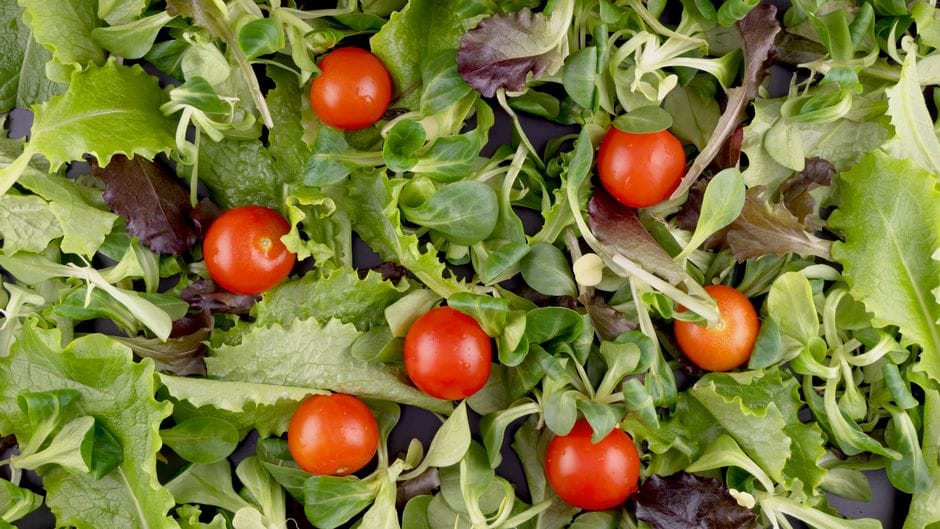 Photo: Eleonora Vokueva / Pexels
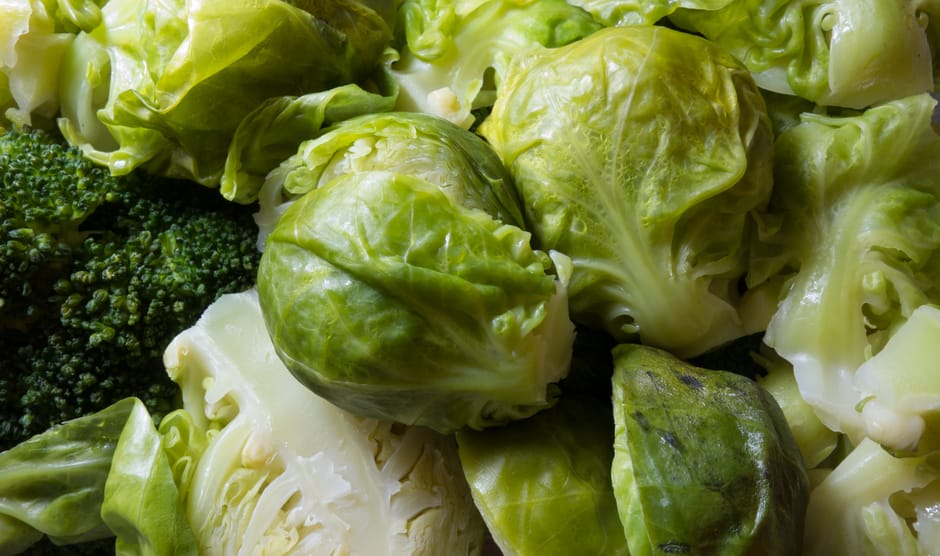
Leafy greens are where calcium gets interesting, because this is where the gap between the label number and the absorbed number is widest. The greens you want are the low-oxalate ones: kale, collards, bok choy, and broccoli.
Their calcium is absorbed at a genuinely high rate, with studies suggesting these brassicas hand over a far larger share of their calcium than most foods, in some cases more efficiently than cow's milk does. A serving of cooked kale or bok choy is real, usable calcium, not just a flattering figure on a chart.
Then there is spinach, the trap, and it is worth being blunt because it gets recommended constantly. Spinach lists a big calcium number, but it is also packed with oxalates, natural compounds that lock onto the calcium and refuse to let go in your gut.
The result is that you absorb only a small fraction of spinach's calcium, often cited around five percent, against something like fifty percent or more for low-oxalate greens like bok choy. The practical upshot: do not build your calcium plan on spinach, chard, or beet greens.
Eat them happily for everything else they bring, and lean on kale, collards, bok choy, and broccoli when calcium is the goal.
The cooking move is simple. Steam or saute these greens rather than boiling them to death, since gentle heat softens them and makes them easy to eat in real quantity, and quantity is what turns greens from a garnish into a calcium source.
A big handful of cooked kale wilts to a couple of forkfuls, so be generous in the pan.
To put a target on it, registered dietitian Jack Norris, who runs the evidence-based resource VeganHealth.org, suggests vegan adults aim for about three servings a day of good calcium sources like these low-oxalate greens, where a serving is roughly half a cup cooked. If you are not consistently eating that much, his guidance is that a modest calcium supplement of around 250 to 300 milligrams a day, alongside fortified plant milk or calcium-set tofu, is enough to close the gap, rather than a large pill that overshoots.
That tracks with the sourcing-first approach I keep coming back to: greens and fortified foods first, a small supplement only if your week genuinely falls short.
Tahini, almonds, and the quiet contributors
Sesame is the calcium source people forget, and it is a good one. Tahini, the smooth paste of ground sesame seeds, carries a meaningful hit of calcium per tablespoon, and because it goes into hummus, dressings, and sauces, it sneaks calcium into food you are eating for flavor rather than virtue.
Whole sesame seeds over a stir-fry do the same job. If you have never made it at home, tahini is genuinely just blended sesame seeds, and our tahini guide shows how.
Almonds chip in too, a handful carrying a respectable amount of calcium, and almond butter spreads that across toast and smoothies. Dried figs are an underrated little calcium snack that adds up over the day.
White beans and edamame both contribute, and edamame is an easy, kid-friendly way to fold in soy calcium, which our edamame guide covers. Some breakfast cereals, fortified plant yogurts, and fortified orange juice carry added calcium too, though levels swing wildly, so always check the panel.
None of these single-handedly hits your target, but stacked across a normal day they close the gap comfortably.
Absorption, vitamin D, and a note on timing
Calcium does not work alone, and the partner that matters most is vitamin D, because without enough of it your body cannot absorb calcium properly no matter how much you eat. Vitamin D is the genuinely tricky one on any diet, vegan or not, because it comes mostly from sunlight rather than food, and many people run low through darker months.
This is the one area where a supplement is commonly recommended for almost everyone in less sunny climates, and a vegan D3 from lichen is widely available. The NIH calcium fact sheet goes deeper on how the two work together.
A light word on timing. Calcium and iron compete a little for absorption, the same reason our vegan iron guide mentions spacing them out. From food this is a minor effect not worth stressing over, since real meals mix everything anyway.
It only really matters with concentrated supplements, where it is sensible not to swallow a big calcium pill at the moment of your most iron-heavy meal. Your body also absorbs calcium better in modest amounts than in one giant dose, so spreading it across the day, a glass here and a plate of greens there, beats cramming it into one sitting.
A real calcium-smart day of eating
Numbers in a list stay abstract, so here is an ordinary day built so the calcium lands without it feeling like a chore.
Breakfast: A bowl of fortified cereal or oats made with a well-shaken glass of fortified soy milk, with a few sliced almonds on top. The shaken milk alone is around 300 milligrams, the cereal may be fortified too, and the almonds add a little more before the day has started.
Lunch: Hummus, built on tahini, with whole-grain pita and chopped vegetables, or a bowl with calcium-set tofu, steamed broccoli, and a sesame dressing. The tahini, tofu, and broccoli all stack calcium into something you are eating because it tastes good.
Snack: A few dried figs and a small handful of almonds, or a fortified plant yogurt. Quiet, easy calcium with no thought required.
Dinner: A tofu and bok choy stir-fry over rice, finished with sesame seeds, plus a side of sauteed kale. Calcium-set tofu, two low-oxalate greens, and a sprinkle of sesame, all in one normal plate of food.
That is a genuinely calcium-rich day, and nothing on it was eaten for medicinal reasons. The whole strategy lives in shaking the carton, reading the tofu label, and picking the greens that absorb well, not in suffering through anything.
The same deliberate-but-easy approach rounds out the rest of your nutrition, and building meals around tofu tends to cover protein at the same time.
When to think harder, and the honest bottom line
For most people eating this way, calcium quietly takes care of itself and there is nothing to test or track. If your diet leans heavily on unfortified organic milks, you rarely eat tofu or greens, or you have a condition that affects bone health, it is worth a conversation with a doctor or dietitian, who can check your vitamin D and decide whether a supplement makes sense.
That beats guessing at a calcium pill you may not need, since more is not automatically better with minerals.
If a packaged milk, yogurt, or cereal claims to be fortified and you are not sure the whole product is even vegan, run it through our ingredient checker or search the Is It Vegan database first, because added vitamins and minerals occasionally ride in on non-vegan carriers.
This article is general information and not medical advice; if you have symptoms or a known condition, talk to a qualified doctor or dietitian about your specific situation.
Here is the practical takeaway, the thing I wish someone had told me before that gritty glass of milk. Vegan calcium is not about drinking more of anything and hoping.
It is a few small habits working together: shake your fortified milk hard so the calcium actually pours, buy tofu set with calcium sulfate and check the label every time, and build your greens around kale, bok choy, collards, and broccoli rather than spinach. Add tahini, almonds, and figs around the edges, keep your vitamin D in mind so your body can use it all, and calcium stops being something you worry about and becomes something handled by dinner.
Frequently asked questions
Do vegans need more calcium than people who eat dairy?+
No. The daily calcium target is the same whether or not you eat dairy. UK guidance puts adults at around 700 milligrams a day, while US guidance sits closer to 1,000 milligrams, and neither number goes up because you skipped the milk. The only thing that changes on a vegan diet is where the calcium comes from, so the real task is sourcing it well from fortified milks, calcium-set tofu, low-oxalate greens, and tahini rather than hitting a higher bar.
Which leafy greens are best for calcium?+
The low-oxalate greens are the winners: kale, collard greens, bok choy, and broccoli. Their calcium is absorbed at a high rate, often more efficiently than the calcium in cow's milk. Spinach, chard, and beet greens are the trap, because they are loaded with oxalates that bind the calcium and let you absorb only a small fraction of the big number on the label. Eat spinach for everything else it offers, but do not count on it for calcium.
Is the tofu I'm buying actually a good calcium source?+
It depends entirely on how it was set, and the answer is on the ingredient list. Tofu set with calcium sulfate is an excellent source, often delivering a few hundred milligrams in a half-block. Tofu set with nigari, which is magnesium chloride, has far less calcium. The headline word to look for is calcium sulfate near the top of the ingredients. If it says nigari or only soybeans and water, the tofu is fine to eat but is not pulling its weight for calcium.
Do I need a calcium supplement on a vegan diet?+
Most people who drink fortified plant milk and eat calcium-set tofu and low-oxalate greens regularly do not need one. A glass or two of fortified milk alone covers a large share of the day. If your diet skews toward unfortified milks and you rarely eat tofu or greens, a modest supplement can fill the gap, but it is worth getting your sourcing right first. As with any health decision, talk to a doctor or dietitian if you are unsure rather than guessing at a dose.
Written by
VeganDigest Editorial is the small independent team that researches and fact-checks this site. We are not doctors or dietitians. For every is-it-vegan verdict we read the product's current ingredient list and manufacturer information, and for anything health-related we report guidance from recognized bodies such as the NHS, the Vegan Society, and the Academy of Nutrition and Dietetics rather than offering medical advice. Every page shows the date it was last verified, and our full process is on the How We Verify page.

Comments