Miso 101: What It Is and How to Cook With It

In this guide7
The first time I cooked with miso, I ruined it in about ninety seconds. I had a brand-new tub of white miso from the Japanese grocery two streets over, I stirred a heaping tablespoon into a pot of soup that was rolling at a full boil, and I felt very accomplished.
The soup tasted flat and slightly bitter, the broth had gone cloudy and grainy, and I could not work out what I had done wrong. It took a friend who actually grew up eating miso soup to explain, kindly, that I had basically cooked the life out of it.
You do not boil miso. That one sentence changed how I cook more than almost any other thing I have learned in a vegan kitchen.
Miso is the ingredient I reach for when a dish tastes like it is missing something and I cannot name what. It is salty, yes, but it is also round and deep and savory in a way salt alone never gets you.
Once you understand what it is and how to handle it, it stops being an intimidating tub at the back of the fridge and becomes the thing that makes your plant-based food taste finished.
What miso actually is
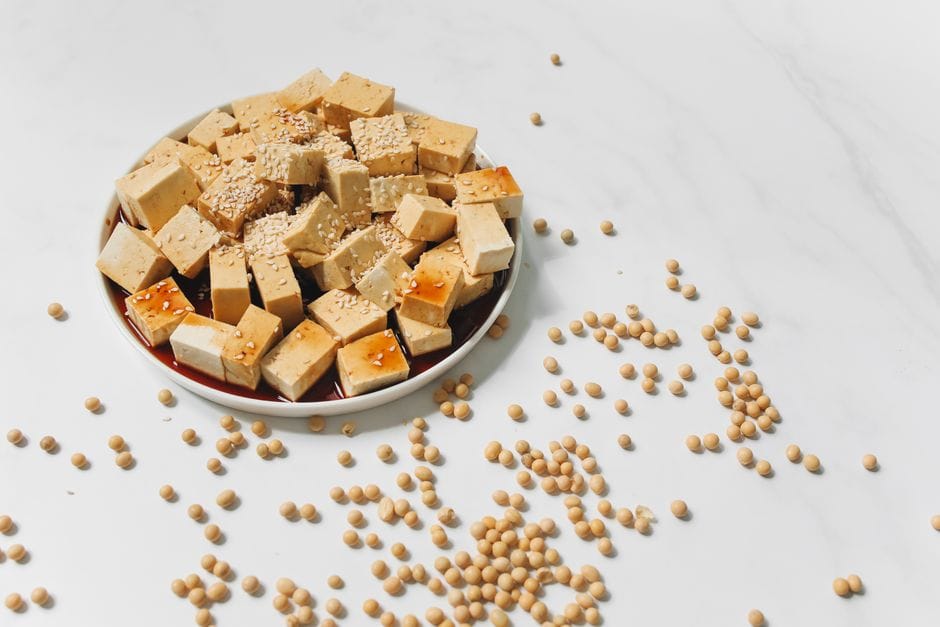
Miso is a fermented paste made from soybeans. At its most traditional, the recipe is almost comically short: cooked soybeans, salt, and a culture called koji, which is rice or barley that has been inoculated with a mold named Aspergillus oryzae.
You mix those together, pack the mixture into a vessel, and then you wait. The koji slowly breaks the soybean proteins down into amino acids, and the result, after weeks or years, is a thick savory paste with a texture somewhere between peanut butter and wet clay.
That fermentation is the whole magic. It is the same family of process that gives you sauerkraut, tempeh, and good sourdough. The microbes do the slow work of transforming simple ingredients into something layered and complex.
If you want the full background on the science and the regional history, the Wikipedia entry on miso goes deeper than I will here.
The texture surprises people who have only seen miso swirled into soup. Straight from the tub it is dense and a little sticky, and you scoop it like a soft fudge. Some pastes are smooth, others have visible flecks of grain or whole-ish soybean.
Both are normal. The flecks are not a defect; they are evidence that someone made it the old way.
White, red, and barley: the types that matter
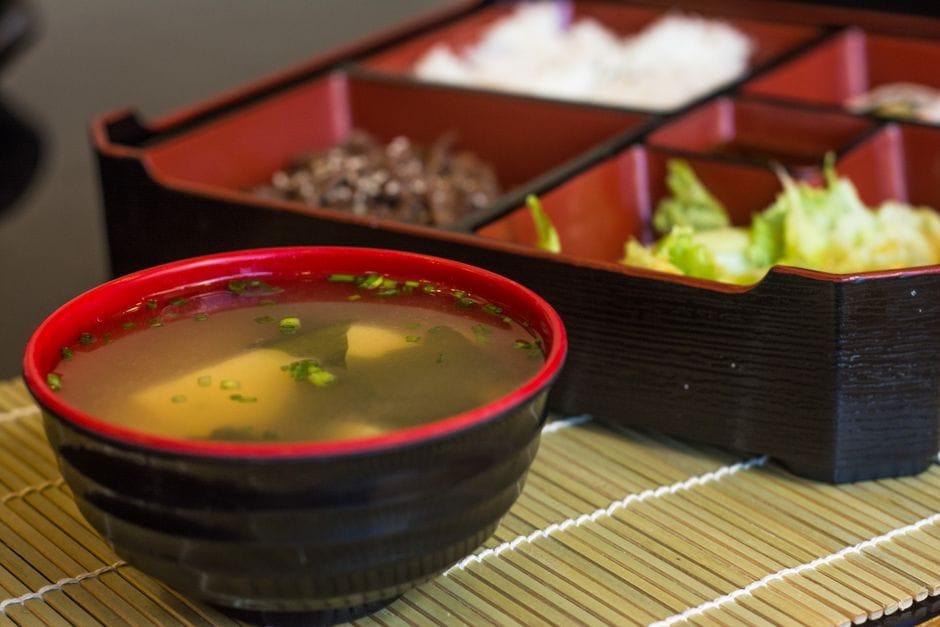 Photo: Marvin Sacdalan / Pexels
The miso aisle can look like a wall of indistinguishable tubs, but you really only need to understand a few categories to shop with confidence.
White miso, labeled shiro, is the mild one. It ferments for a short time, anywhere from a few weeks to a few months, and it is made with a high proportion of rice koji. The flavor is gentle, faintly sweet, and lightly salty.
This is the one I tell beginners to buy first because it is forgiving and works in nearly everything, from salad dressings to soups to a quiet spoonful stirred into mashed potatoes.
Red miso, labeled aka, is the intense one. It ferments far longer, often a year or more, and the extra time deepens both the color and the punch. It tastes strongly savory, properly salty, and almost meaty.
A little goes a long way. I use red miso for marinades, braises, and anything where I want a bold backbone of flavor rather than a whisper.
Barley miso, labeled mugi, swaps some or all of the rice koji for barley. It tends to taste earthier and a touch sweeter than red miso, with a rustic character I genuinely love in heartier autumn soups.
There is also a darker, almost chocolatey style called hatcho, made mostly from soybeans, which is wonderful but strong enough that I treat it like an accent rather than a base.
If you can only own one tub, make it white. If you can own two, add red. Those two cover the overwhelming majority of what a home cook actually does.
The umami it adds, and why
Here is the part that makes miso worth keeping around. That deep savory quality has a name, umami, and miso is loaded with it.
During fermentation, the koji breaks soybean protein down into free glutamates, the very same compounds that make aged Parmesan, ripe tomatoes, and dried mushrooms taste so satisfying. Glutamate is essentially the flavor your tongue reads as "savory and complete."
This is exactly why miso is such a gift in a vegan kitchen. A lot of the savory depth that omnivores get from meat, fish sauce, or chicken stock simply is not on our table, so we build that depth from plant sources instead.
Miso is one of the most concentrated, useful ways to do it. A spoonful stirred into a sauce or a pot of beans adds a backbone that makes people pause and ask what is in it.
It plays beautifully alongside other umami builders like nutritional yeast and a splash of good soy sauce.
When I am building a homemade vegan stock, a tablespoon of miso whisked in at the end is one of my favorite cheats for instant savory weight. It does the job that a long-simmered bone broth would do for an omnivore, in about fifteen seconds.
Is miso vegan? Mostly yes, with one trap
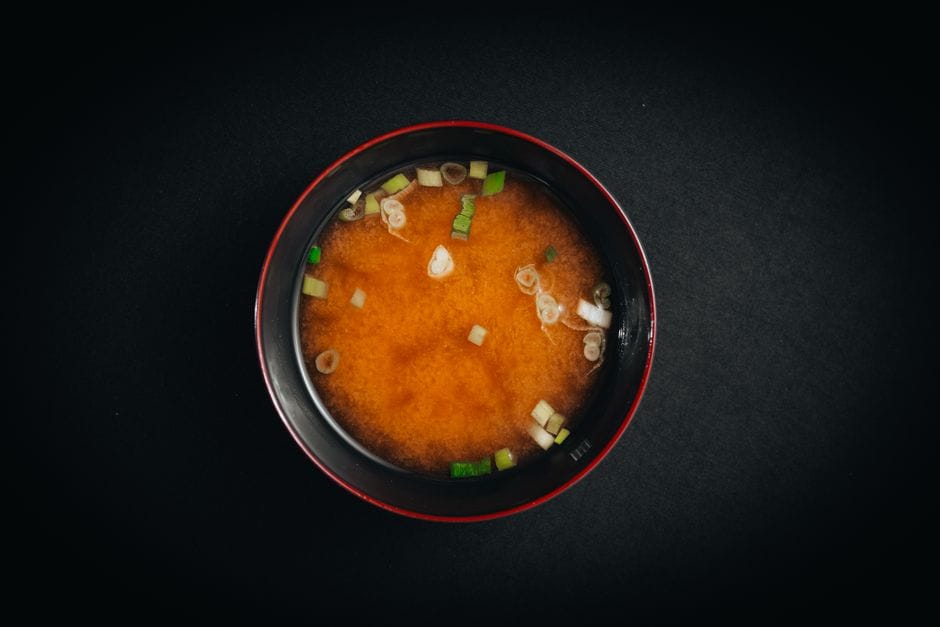 Photo: Rafael Nicida / Pexels
Good news first: plain miso paste is almost always vegan. The traditional ingredient list is soybeans, salt, koji culture, and a grain. None of that is an animal product, and the major brands you will see, like Hikari, Marukome, and Miso Master, sell plain pastes that are entirely plant-based.
The trap is dashi. Dashi is a Japanese stock, and the classic version is made with bonito, which is dried fermented fish. Some instant miso soup packets, and a small number of flavored or "soup-ready" pastes, have dashi or bonito blended right in.
That is the one thing that can quietly make a miso product non-vegan. On a label, watch for the words dashi, bonito, katsuo, or fish stock.
The plain tubs of paste in the refrigerated section are your safest bet, and they are what most recipes mean anyway. If you ever pick up a flavored or instant product and you are not sure, run the ingredient list through our vegan ingredient checker, or look the specific product up in the Is It Vegan database.
It takes ten seconds and saves you from a surprise.
One more honest note for new vegans: fermented foods sometimes get a reputation as a grey area, but miso is a clear case. There is nothing animal-derived in the fermentation itself, and the koji mold is just that, a mold, which is fine to eat.
The Vegan Society's definition of veganism is about excluding animal exploitation, and a plain soybean paste sits comfortably inside it. So you can stop second-guessing the tub and start cooking.
If you are still finding your footing, my walkthrough on how to start a vegan diet covers the handful of ingredients, miso included, that do the most heavy lifting early on.
How to use miso without boiling away the probiotics
Back to my ninety-second disaster. Most miso, especially the unpasteurized kind sold cold, contains live cultures, and high heat kills them. It also dulls the bright, fermented top notes of the flavor.
So the cardinal rule is simple: do not boil miso.
The technique that fixes everything is to add miso at the very end and off the heat. Pull your pot off the burner, scoop your miso into a small bowl or a ladle, add a few spoonfuls of the hot liquid, and whisk it into a smooth slurry first.
Then stir that slurry back into the pot. Whisking it loose separately is the trick that stops you from chasing stubborn lumps around the soup, which is the other rookie mistake I made for months.
I want to be honest about one thing, though, because cooking advice online can get precious about it. If you do cook miso, even at a boil, you have not poured poison into your food.
You lose the live cultures and some of the fresher aroma, but the glutamates and the savory depth survive heat just fine. Miso baked into a marinade or simmered into a braise is still delicious; it is simply doing a flavor job rather than a probiotic one.
Save the gentle, off-heat treatment for when the live-culture benefit actually matters to you, like in soup or a raw dressing.
Soups, dressings, marinades, and glazes
This is where miso earns its place. Here is exactly how I use it, in roughly the order I learned each one.
Soup. The obvious one, and still the best. Warm your broth with some tofu, a handful of greens, and a little wakame seaweed, take it off the heat, then whisk in roughly one tablespoon of white miso per cup and a half of liquid. Taste and adjust.
It should be savory and gently salty, not aggressive.
Dressing. Miso makes a salad dressing that tastes like it has ten ingredients. My weekday version is one tablespoon white miso, the juice of half a lemon, a teaspoon of maple syrup, a small grated clove of garlic, and enough water or olive oil to loosen it.
Whisk it smooth. It clings to crisp lettuce and roasted vegetables and turns a sad desk lunch into something I look forward to.
Marinade. This is red miso's moment. Mix red miso with a little maple syrup, grated ginger, and a splash of soy sauce, then smear it onto pressed tofu, thick mushrooms, or eggplant. Let it sit for at least thirty minutes, or overnight if you can.
The salt seasons deep into the surface and the sugars caramelize when it hits heat. If you are working with tofu for this, my notes on pressing tofu will save you a watery, bland result.
Glaze. A glaze is just a thicker, sweeter marinade you brush on near the end of cooking. Whisk red or barley miso with maple syrup until it is spreadable, brush it onto roasting squash, sweet potato, or eggplant in the last ten minutes, and let it bubble and darken.
Watch it, because the sugars can scorch fast. That sticky, savory-sweet lacquer is the single thing that converted my miso-skeptical brother.
A few more low-effort wins: a teaspoon stirred into vegan mayo makes an instant umami spread, a spoonful melts beautifully into a pot of simmered beans, and a small knob whisked into vegan butter over hot vegetables tastes faintly of the sea in the best way.
Buying and storing it well
Buy your miso from the refrigerated section if you can, because the cold-stored, unpasteurized pastes have the liveliest flavor and the live cultures intact. Shelf-stable tubs are fine and convenient, just slightly less vibrant. Start with a plain white miso from a brand like Hikari or Miso Master, and add a red later once you know you like it.
Storage could not be easier. Keep the tub in the fridge, always use a clean dry spoon, and press a piece of parchment or just smooth the surface flat before you reseal it to limit air contact.
It will keep for up to a year, often well beyond, because the salt does the preserving for you. If the top darkens over time, that is harmless oxidation, not spoilage; stir it back in or scrape it off.
Miso is one of the most patient ingredients you will ever own.
Get one tub of white miso, keep it cold, never let it boil, and stir a spoonful into the next thing you make that tastes like it is missing something. That single habit will quietly upgrade more of your cooking than any expensive gadget ever could.
Frequently asked questions
Is miso vegan?+
Most plain miso paste is vegan. The traditional recipe is just soybeans, salt, koji culture, and a grain like rice or barley, with no animal products at all. The thing to watch is bonito or dashi, since some instant miso soup packets and a few flavored pastes have fish stock blended in. Read the label, and if anything reads as 'dashi,' 'bonito,' or 'katsuo,' it likely contains fish.
What is the difference between white miso and red miso?+
The main difference is fermentation time and flavor strength. White miso, or shiro, ferments for a few weeks to a few months and tastes mild, sweet, and gently salty. Red miso, or aka, ferments for a year or more and tastes deep, salty, and intensely savory. White is the everyday workhorse for dressings and light soups, while red is what you want for hearty braises and marinades.
Does cooking miso kill the probiotics?+
High heat does deactivate the live cultures in unpasteurized miso, which is why you stir it into soup off the heat rather than boiling it. That said, you do not lose the umami flavor or the amino acids when you cook it, so heated miso is still delicious and worth using. If the probiotic benefit matters to you, add miso at the very end or use it raw in a dressing or spread.
How long does miso last in the fridge?+
A very long time, because miso is essentially a preserved food. An opened tub of miso keeps for up to a year in the refrigerator, and often longer, as the salt content protects it. You might see the color darken at the surface over months, which is harmless oxidation, not spoilage. Keep it sealed, use a clean spoon, and it will outlast almost everything else in your fridge.
Written by
VeganDigest Editorial is the small independent team that researches and fact-checks this site. We are not doctors or dietitians. For every is-it-vegan verdict we read the product's current ingredient list and manufacturer information, and for anything health-related we report guidance from recognized bodies such as the NHS, the Vegan Society, and the Academy of Nutrition and Dietetics rather than offering medical advice. Every page shows the date it was last verified, and our full process is on the How We Verify page.
Comments