A Guide to Vegan Cheese: Types, Brands, and How to Use Them
In this guide8
- 01The Three Families of Vegan Cheese
- 02Coconut-Oil Melters: The Ones That Stretch
- 03Cultured Cashew Artisan: The Board Cheeses
- 04Nutritional-Yeast Sauces: The Cheapest Cheese Flavor
- 05The Best Brands, Mapped to the Families
- 06What Goes On a Cheese Board, and What Doesn't
- 07When to Just Make Your Own
- 08The One Thing to Remember
I once served a cheese board at a dinner where two of the eight guests ate dairy, and by the end of the night the dish people kept circling back to was a pepper-crusted cashew wheel I had fermented in a bowl on top of my fridge. Nobody clocked it as the vegan one.
Meanwhile, on the same table, a fancy "melts like real cheese" block I had splurged on sat there in warm, oily, unmelted slabs because I had naively expected it to behave like the cashew wheel. Those two cheeses came from completely different worlds, and that is the single most useful thing to understand about vegan cheese: it is not one product.
It is at least three, and they do not do each other's jobs.
Once you can tell the three families apart, the whole confusing aisle snaps into focus. You stop buying a melter and getting frustrated that it won't slice nicely on a board, or buying an artisan wheel and wondering why it won't stretch on a pizza. So before any brand names, let me give you the map.
The Three Families of Vegan Cheese
Almost every vegan cheese you will meet falls into one of three groups, and they are built from fundamentally different things.
The first is the coconut-oil melters. These are the shreds, slices, and blocks designed to behave like dairy cheese under heat. Their base is refined coconut oil for richness plus tapioca or potato starch for stretch, with flavorings layered on top.
They melt, they stretch, they brown, and they are what you want on a pizza or in a grilled sandwich. What they are not is interesting to eat cold and raw, because straight from the fridge they taste mild and a little waxy.
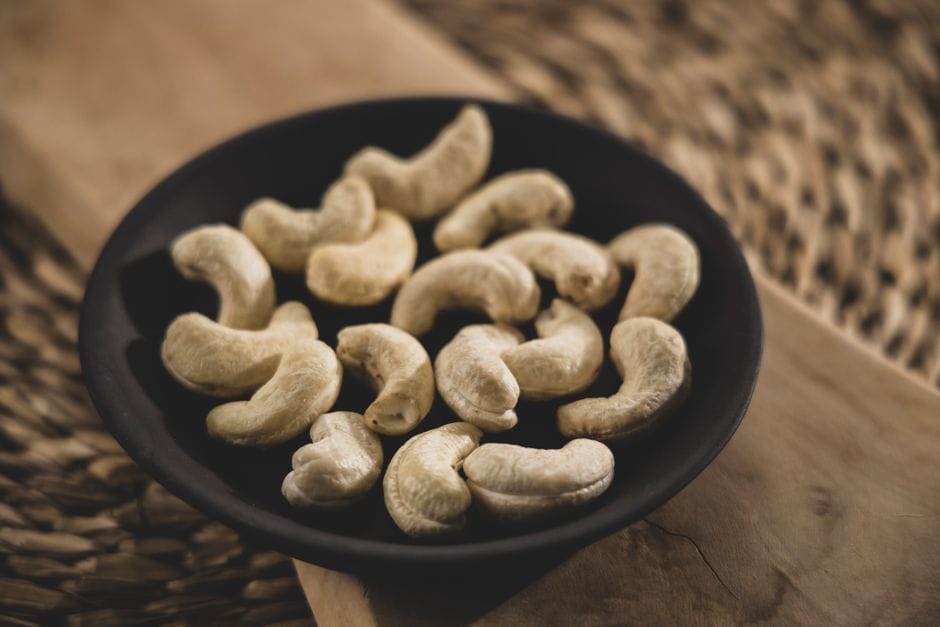
The second is the cultured cashew artisan cheeses. These are blended cashews fermented with live cultures, exactly the way dairy cheese gets its tang from bacteria. They are creamy, sharp, complex, and genuinely board-worthy, sold as soft tubs and firmer aged wheels.
They mostly do not melt, and that is by design. You eat them cool on a cracker, not hot on a pizza.
The third family is the nutritional-yeast sauces, which are not a block at all but a category of pourable, savory, cheesy sauces. Think nacho dip, mac sauce, and the dust you shake on popcorn.
They lean on nutritional yeast for that umami, cheesy depth, usually thickened with blended potato, cashews, or starch. They are the easiest to make at home and the cheapest by a mile.
Keep these three in your head and the rest of this guide is just detail.
Coconut-Oil Melters: The Ones That Stretch
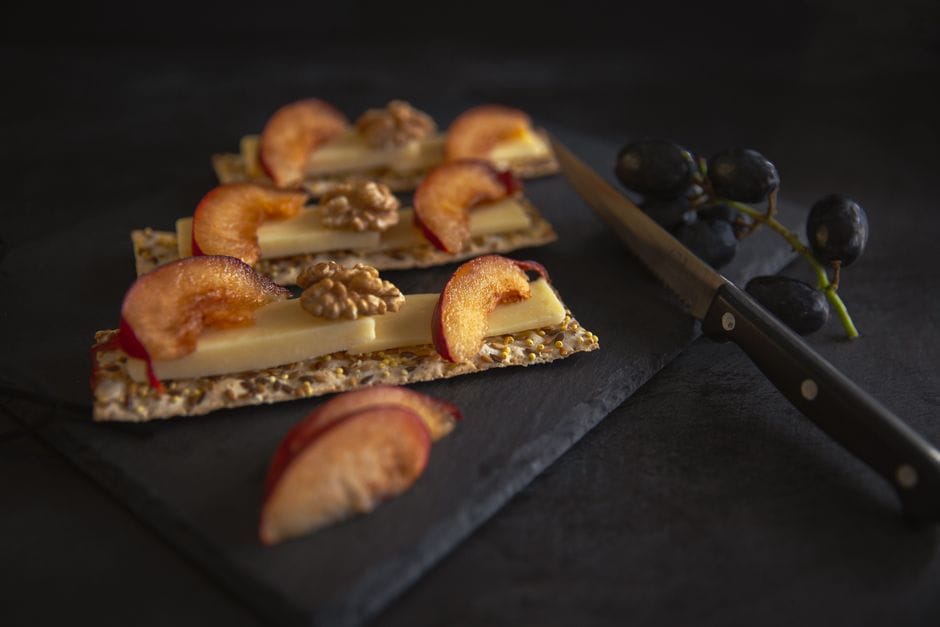 Photo: Amanda Hemphill / Pexels
This is the family people mean when they ask whether vegan cheese melts. Yes, this kind does, because melt is literally what it is engineered for.
The mechanism is worth knowing because it tells you what to buy. Refined coconut oil is solid at room temperature and turns liquid with heat, which gives you the soften-and-flow part.
Tapioca or potato starch, when heated with liquid and moisture, gelatinizes into long elastic strands, and that gel is what gives you the stretch and pull. No milk protein required.
The flavor is built on top with salt, acid, and savory notes, which is honestly the weakest part of these cheeses; eaten cold they are pleasant but a bit flat.
Use refined coconut oil if you ever make your own, never virgin, because virgin coconut oil will make a savory cheese taste like a tropical dessert. And give these cheeses real heat. The biggest mistake I see is a lukewarm oven.
Plant cheese needs to get genuinely hot to flow, so crank your oven to 475 to 500 F for pizza and finish under the broiler for a minute if you want blistering and browning. A finishing dust of vegan parmesan over the top before baking adds salt and crispy golden flecks that cover any faint starchiness.
These melters are also exactly what slots into a vegan bechamel for a baked pasta or a creamy gratin.
Cultured Cashew Artisan: The Board Cheeses
If the melters are the workhorses, the cultured cashew cheeses are the showpieces, and they are where vegan cheese has genuinely arrived as something worth eating for its own sake rather than as a substitute.
These start with soaked, blended cashews, which are mild, sweet, and high in fat, so they blend silky-smooth and take on flavor without fighting it. Then live bacterial cultures, often just the contents of a vegan probiotic capsule, ferment that base for a day or two and produce real lactic-acid tang, the same chemistry that makes dairy cheese sharp.
The result is creamy and complex, sold as soft spreadable tubs and firmer aged wheels coated in cracked pepper, herbs, or smoked paprika.
These do not melt, and you should not ask them to. Their whole job is to be eaten cool, sliced or spread, where that fermented tang and creamy body shine. Serve them at cool room temperature rather than fridge-cold, because the flavor opens up.
A soft cultured cashew tub is also the closest thing to a great vegan cream cheese on a bagel, and a looser version sits right next to vegan ricotta in lasagna and on toast. If you want to understand how silky a well-soaked cashew gets before you commit to a wheel, making a batch of cashew cream is the fastest education.
Nutritional-Yeast Sauces: The Cheapest Cheese Flavor
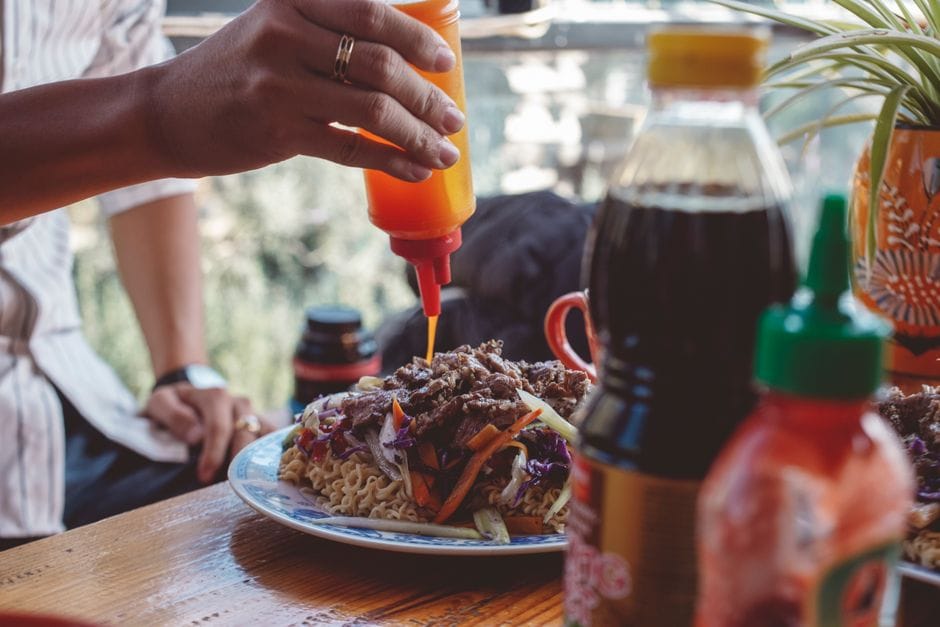 Photo: Nam Phong Bùi / Pexels
The third family barely looks like cheese, but it delivers cheesy flavor more cheaply and easily than anything else, and it is where most home cooks should start.
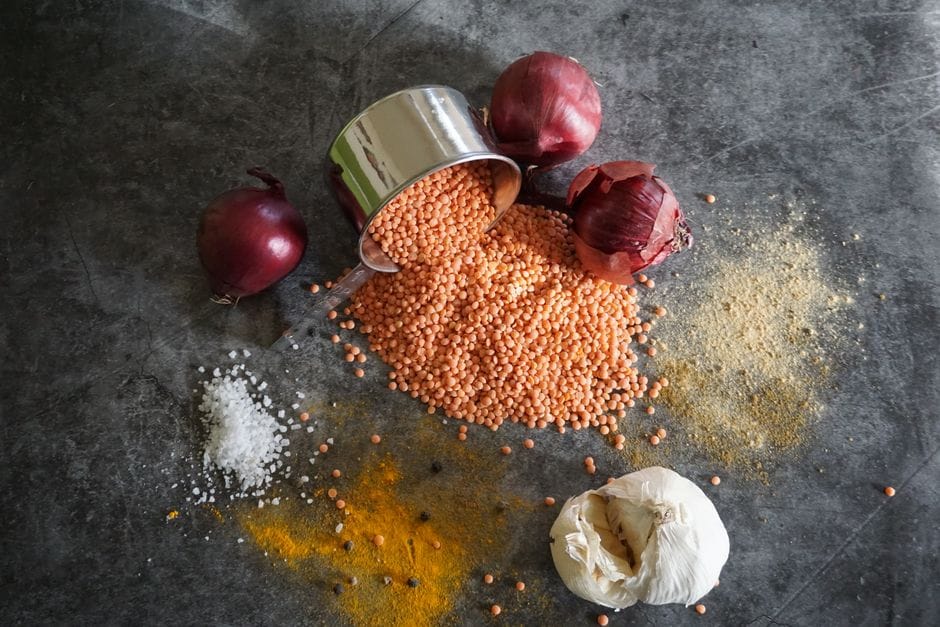
Nutritional yeast is deactivated yeast sold as savory yellow flakes, and it carries a deep, umami, faintly cheesy note that does an enormous amount of work for very little money. Blended with potato and carrot, or with cashews, plus a little starch to thicken, it becomes a pourable cheese sauce.
This is your vegan nacho cheese for dipping, your mac sauce, your sauce over steamed broccoli. It is not pretending to be a block of cheddar; it is its own thing, and it is delicious.
The reason to know this family exists is that it solves the melted-cheese-sauce problem completely without any special product. You do not need a meltable block to make a creamy queso, you need nutritional yeast and a blender.
If you have never cooked with it, my nutritional yeast guide walks through why a couple of tablespoons does so much heavy lifting and how to keep it from tasting one-note. The one honest warning: nutritional yeast can taste flat and sad if you underseason it, so be generous with salt and add acid, a squeeze of lemon or a splash of vinegar, to make it read as cheese rather than as yellow flakes.
The Best Brands, Mapped to the Families
Here is where the map pays off, because the best brand depends entirely on which job you are doing.
For cultured cashew artisan cheese, Miyoko's Creamery is the gold standard. Their wheels and spreads are genuinely fermented, so they carry the real sharp tang you cannot fake, and their fresh cultured products are board-quality. They are pricey and worth it for special occasions.
For coconut-oil melters, you have three reliable workhorses. Violife makes shreds and blocks that melt and brown well on pizza, and it is the bag I keep in my freezer for weeknights. Daiya is the widely available, allergy-friendly option, soy-free and nut-free, and its shreds melt decently, though some people find the flavor a touch tangy on its own; it disappears nicely into a hot dish. Chao by Field Roast makes coconut-oil slices built around fermented tofu, and they are excellent in a grilled cheese, melting into that gooey, sliceable layer a sandwich needs. None of these three are board cheeses.
They are melters, and judged as melters they earn their keep.
A real buying note: do not assume dairy-free means vegan, and do not assume vegan cheese means it melts. Some melty, stretchy products add casein, the milk protein, which is not vegan even on a dairy-free label.
Read the ingredient list every time, drop unfamiliar names into our vegan ingredient checker, and for a clear verdict on a specific product the Is It Vegan database is faster than squinting at a bag in the aisle. For confirming a product is properly certified, you can sanity-check it against the Vegan Society trademark standard.
What Goes On a Cheese Board, and What Doesn't
The cardinal rule of a vegan cheese board is simple: build it from the cultured cashew family, not the melters. A coconut-oil melting block on a board is sad and waxy cold, which is exactly the mistake I made at that dinner party.
Build around one or two cultured cashew wheels as the centerpiece, cut a wedge so people know they are meant to dig in, and surround them. Crackers and torn bread give you the carrier.
Fresh and dried fruit, grapes, sliced apple, figs, and a few dates bring sweetness that cuts the tang. Olives, cornichons, and a spoonful of fruit chutney or jam add salty and sweet contrast. A handful of toasted nuts echoes the cashew base.
If you want two textures, set out a firm pepper-coated wheel alongside a soft spreadable tub, and nobody will guess both started as a bag of cashews.
Serve the cheeses at cool room temperature, not fridge-cold, because the fermentation flavor opens up as they warm. A small bowl of a nutritional-yeast queso on the same table covers the warm, dippy craving without forcing a melter to do a job it cannot do.
When to Just Make Your Own
Store-bought has come a long way, but there are clear moments when homemade simply wins, on cost, on quality, or on both.
Make your own when you want the best melt for the least money. A homemade coconut-oil and tapioca cheese, spooned warm onto a pizza, stretches better than most store blocks and costs a fraction.
Make your own when you want a genuinely impressive board cheese, because a cultured cashew wheel you fermented yourself rivals the expensive brands and costs the price of a bag of cashews plus a probiotic capsule. And absolutely make your own for cheese sauces, because a nutritional-yeast queso comes together in a blender in ten minutes for pennies and tastes fresher than anything in a jar.
Buy instead when you need convenience on a weeknight, when you want a true fresh-mozzarella texture that is genuinely hard to nail at home, or when you simply do not have two days to ferment a wheel. There is no shame in a bag of Violife shreds on a Tuesday.
The point of knowing how to make your own is that you get to choose, rather than being stuck with whatever the aisle offers.
The One Thing to Remember
Vegan cheese is not a single product that succeeds or fails, it is three families with three different jobs. Coconut-oil melters stretch on a pizza and slump on a board. Cultured cashew cheeses shine cool on a cracker and refuse to melt.
Nutritional-yeast sauces pour into a queso for almost nothing. Buy Miyoko's for the board, Violife or Daiya or Chao for the melt, and reach for your blender when you want a sauce.
Match the family to the job and you will never again pull a sad, oily, unmelted slab out of the oven, or set a waxy melting block on a board and wonder why nobody touched it. Pick the right tool, season it like you mean it, and vegan cheese stops being a compromise and starts being genuinely good.
Frequently asked questions
Does vegan cheese melt like dairy cheese?+
Some does, some doesn't, and it comes down entirely to the base. Cheeses built on coconut oil plus tapioca or potato starch genuinely melt and stretch on a pizza, while products that are mostly cashew and culture stay soft and creamy without flowing. The trick is to read the ingredient list before you buy. If you want melt, look for tapioca or potato starch near the top; if you want a sliceable board cheese, that same melt is beside the point.
Which vegan cheese is best for pizza?+
A coconut-oil and starch based shred is what you want, because that combination is what actually flows and browns under high heat. Violife and Daiya shreds both melt reliably, and the homemade coconut-oil and tapioca cheese in this guide stretches better than most blocks. Get your oven as hot as it goes, ideally 475 to 500 F, because a lukewarm oven is the real reason people think vegan cheese won't melt when it just never got hot enough.
Is vegan cheese actually healthy?+
It's a processed food, like dairy cheese, so treat it as an occasional pleasure rather than a health food. Coconut-oil based cheeses are high in saturated fat and low in protein, while cultured cashew and nutritional-yeast versions bring a little more nutrition along with B vitamins from the yeast. None of it is a vegetable, and that's fine. Enjoy it for flavor and texture, lean on whole foods for the bulk of your plate, and you've got nothing to worry about.
Is all store-bought vegan cheese actually vegan?+
Almost all of it is, but there is one real trap. Some plant-based, dairy-free cheeses add casein, the milk protein, to improve stretch and meltability, and casein is not vegan even when the front of the package says dairy-free. Casein is lactose-free, so it slips into dairy-free framing while still being an animal product. Read the ingredient list every time, and run anything unfamiliar through a vegan ingredient checker before you buy.
Written by
VeganDigest Editorial is the small independent team that researches and fact-checks this site. We are not doctors or dietitians. For every is-it-vegan verdict we read the product's current ingredient list and manufacturer information, and for anything health-related we report guidance from recognized bodies such as the NHS, the Vegan Society, and the Academy of Nutrition and Dietetics rather than offering medical advice. Every page shows the date it was last verified, and our full process is on the How We Verify page.
Comments